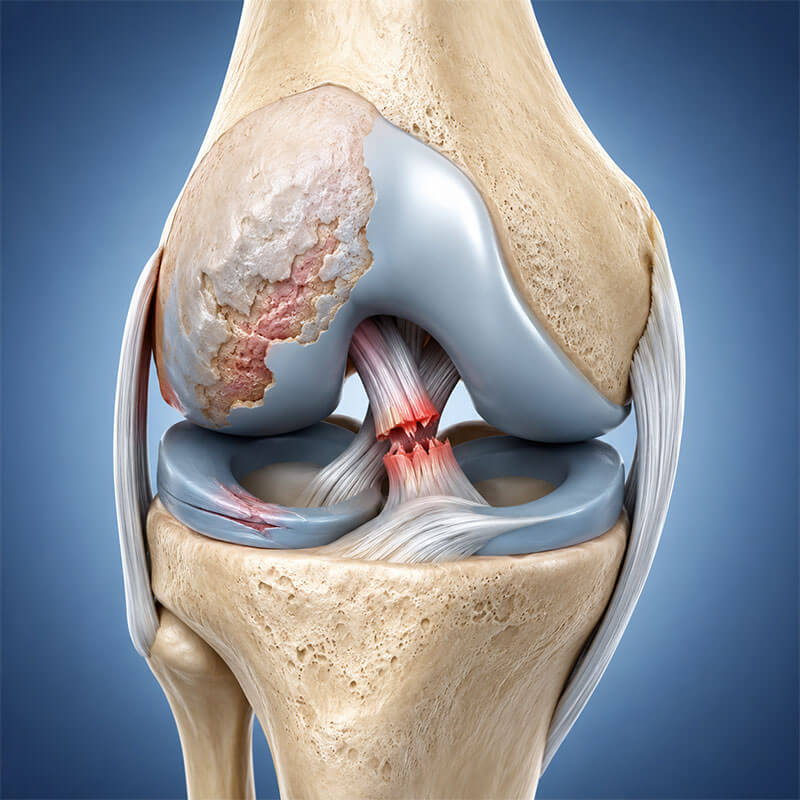
ACL Reconstruction is a surgical procedure used to restore stability in the knee after a torn anterior cruciate ligament (ACL). The procedure involves replacing the damaged ligament with a graft to help restore knee stability, movement, and function.
ACL reconstruction may be considered for patients with a complete ACL tear, ongoing knee instability, or those who want to return to activities that require pivoting, jumping, or sudden changes in direction. The treatment approach depends on the patient's age, activity level, injury, and overall knee condition.
ACL reconstruction aims to restore stability to the knee and help patients regain functional movement. A stable knee can also help patients participate more safely in physical activities after completing appropriate rehabilitation.
ACL Reconstruction is commonly performed using minimally invasive arthroscopic techniques. During the procedure, the damaged ACL is addressed and replaced with a suitable graft. The graft is positioned and secured within the knee to recreate the function of the natural ligament.
Rehabilitation is an important part of recovery after ACL Reconstruction. The recovery timeline varies depending on the individual, the type of graft used, and whether other knee injuries were treated at the same time. A structured rehabilitation program helps gradually restore knee movement, strength, balance, and stability.
ACL reconstruction may be appropriate for individuals with knee instability following an ACL injury, particularly when conservative treatment does not provide adequate stability or when the patient wishes to return to demanding physical activities. A detailed orthopaedic assessment is important before deciding on surgery.
An ACL injury can affect sports, exercise, work, and everyday movement. If you are experiencing knee instability after an ACL injury, consult an experienced orthopaedic surgeon to understand your treatment options and whether ACL Reconstruction may be suitable for your condition.
Whether you're experiencing joint pain, sports injuries, arthritis, or mobility issues, Dr. Abhi Vora provides advanced orthopaedic care with expertise in Robotic Joint Replacement, Arthroscopy, and Sports Injury Management.